 Dehumidifier SaleShop Now



Air Humidifiers
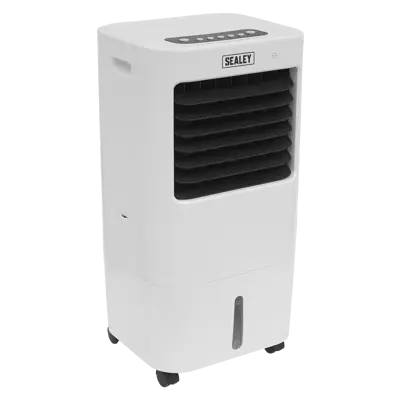
- 3-in-1 Air Regulatory System
- 10m/s Airflow
- Active Carbon Filter
- Three Fan Speeds
- 13L Cooling Water Tank
- Multi-Control Options
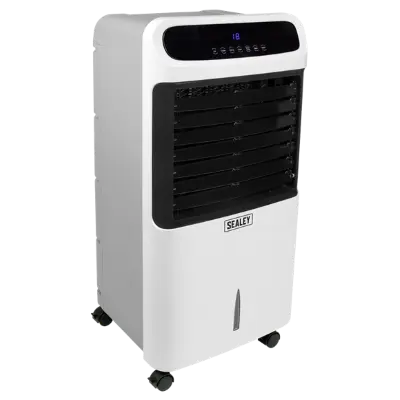
- 4-in-1 Climate Control Solution
- 485m³/hr Airflow
- PTC Heating Element
- 12L Tank Capacity
- 7.9kg Lightweight Portable Design
- Adjustable Settings & Remote Control
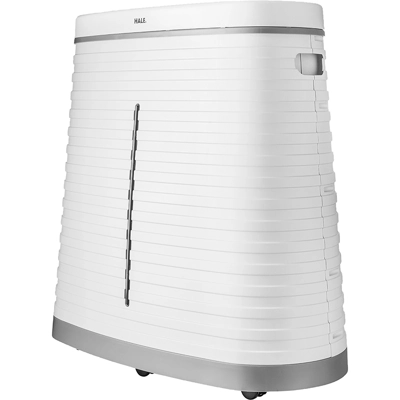
- Sleek Commercial Humidifier
- 500 m3/h Max Airflow
- Electronic Control Panel
- Impressive 30 Litre Tank Capacity
- Multiple Humidity Settings
- 6 Castors For Ease of Movement
- Built in Timer Function
- Sleek & Modern Design
- Ideal for Offices & Large Rooms
- Suitable For Rooms up to 1,000m3

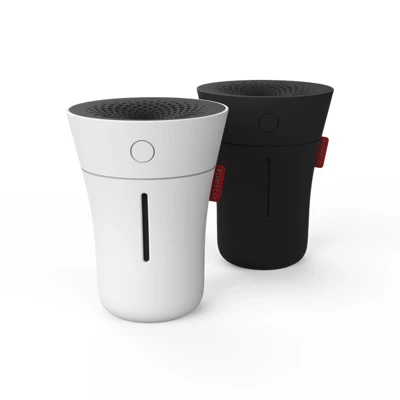
- For The Office, At Home Or In The Car
- Low-Noise High-Frequency Technology
- One-Button Operation With Two Power Levels
- Different Colour Modes
- USB-C Connection Cable
- Automatic Shutoff
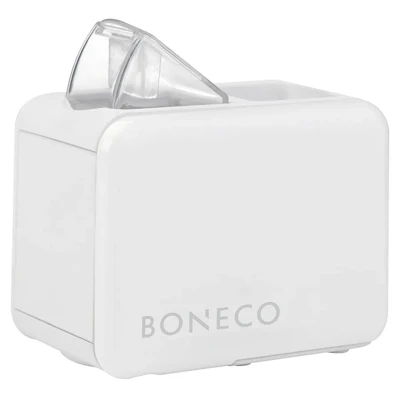
- Compact & Handy Design
- Travel Bag For Storage
- Automatic Switch-Off & Empty Indicator
- Ideal For Offices Or Travelling
- Easy Handling & Cleaning
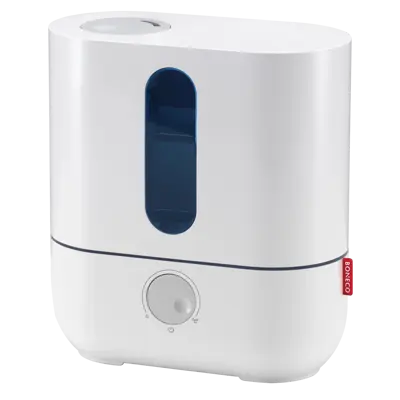
- Practical Reminder Indicator
- Infinitely Variable Output Regulator
- Easy Handling & Cleaning
- Subtle Water Illumination
- Fragrance Container
- Elegant & Handy Design
- Removable Water Tank
- High-Quality Components

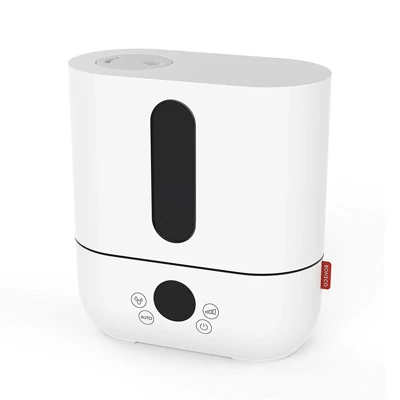
- 2-In-1 Water Filter A250 AQUA PRO
- Digital LED Display + Touch-Sensitive Control Panel
- AUTO MODE For Self-Regulating Humidification
- Detachable Water Tank
- Helpful Reminder Indicator
- Infinitely Variable Output Regulator
- Tasteful Blue Water Illumination
- Fragrance Container
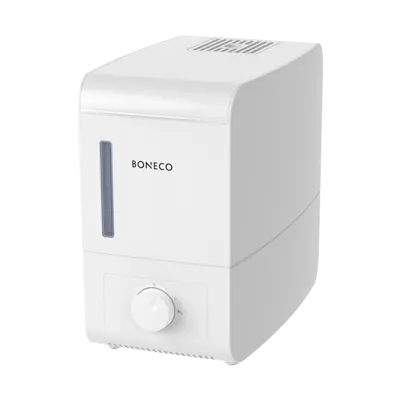
- Analog Display & Control Knob
- Hand-Warm Steam (Child-Friendly)
- CLEANING MODE For Easy Cleaning
- Helpful Reminder Indicator
- Removable Water Tank With Handle
- Fragrance Container For The Use Of Essential Oils
- No Filter Pads Or Additives Required
- High-Quality Components With A Long Service Life
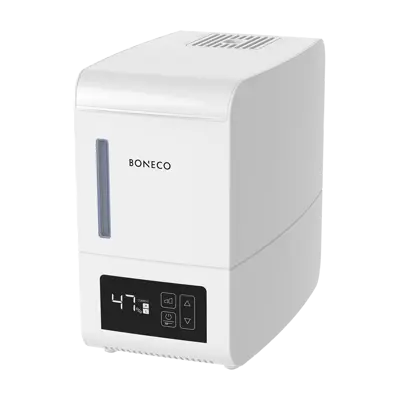
- Digital Display & Controller
- Programmable Hygrostat
- Hand-Warm Steam (Child-Friendly)
- Smart Functions
- Multifunctional Display
- Removable Water Tank With Handle
- Fragrance Container
- High-Quality Components
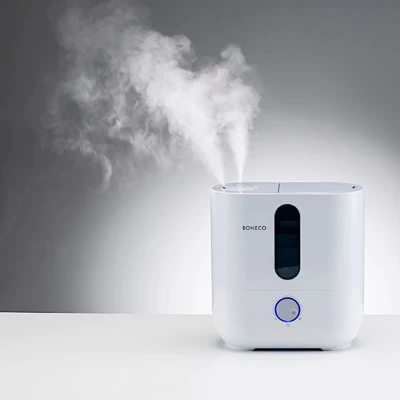
- Warm & Cool Mist Humidifier
- Multifunctional Digital Display
- Programmable Hygrostat
- 3 Performance Levels
- Timer Function & Auto Mode
- Double-Jet Nozzle
- Fragrance Container
- 5-Litre Water Tank
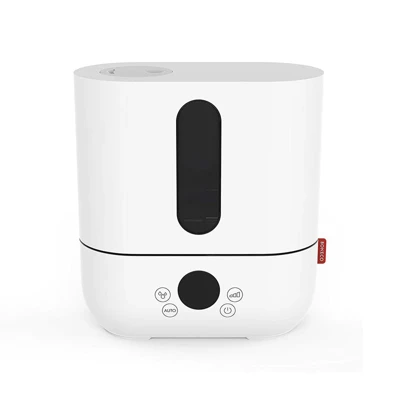
- Warm Or Cool Humidification
- Multifunctional Digital Display
- Programmable Hygrostat
- 3 Performance Levels
- Timer Function & Auto Mode
- Double-Jet Nozzle
- Fragrance Container
- 5-Litre Water Tank
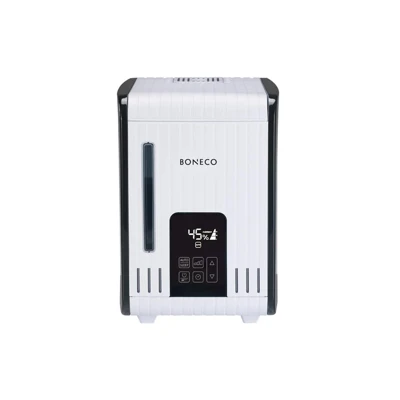
- Digital Display & Controller
- Intelligent Operation Mode
- Programmable Hygrostat
- Hand-Warm Steam (Child-Friendly)
- Decalcification Mode
- Removable Water Tank With Handle
- Automatic Display Dimmer
- Fragrance Container
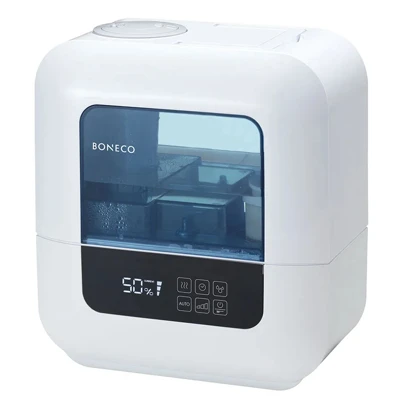
- Unique Self-Cleaning Mode
- Optional Cool Or Warm Mist
- Multifunction Digital Display
- Programmable Hygrostat
- 3 Performance Levels & Timer Function
- AUTO MODE For Fully Automated Operation
- Large Removable Water Tank
- High-Quality Components With Long Service Life
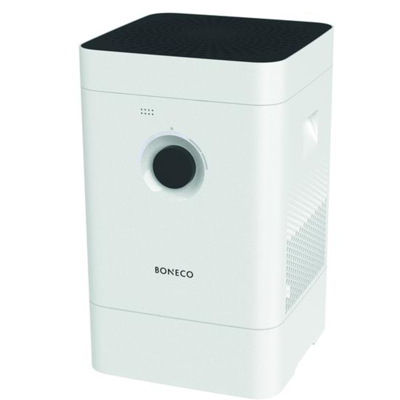
- 3-in-1 Hybrid Device
- Six Fan Speeds
- Whisper Quiet Operation
- Natural Humidifying
- Real-Time Measurement & Control
- Wi-Fi App & Bluetooth Connectivity
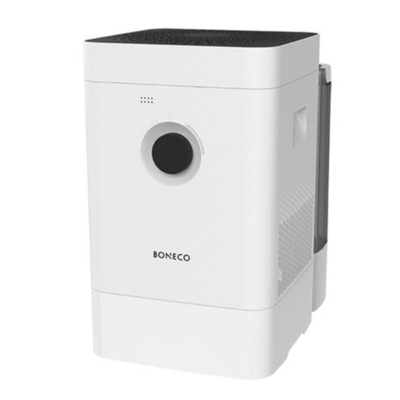
- Hybrid Humidifier & Air Purifier
- High-Capacity Filter
- Six Fan Speeds
- Whisper Quiet Operation
- Real-Time Measurement & Control
- Wi-Fi App & Bluetooth Connectivity
Air Humidifiers
Improves the ambient air naturally
If you suffer from allergies, colds, or congestion due to the change of seasons, you may experience discomfort in winter. No matter how much you refrain from going outside, cold, dry air can aggravate your allergies, respiratory problems, or a persistent cough.
One of the problems causing this may be a lack of moisture in the air. But, this is a problem you can address with a portable humidifier.
What Does A Humidifier Do?
These devices boost the moisture content in the air to prevent dryness that can sometimes lead to eye and throat irritation. They also help to suppress the movement of particles, smoke, odours, dust mites, harmful bacteria, and other pollutants.
Humidity acts as a natural moisturising agent. Air humidifiers are particularly effective for treating a dry nose, throat, skin, and lips. They can also relieve sinus congestion, headaches, bloody noses, irritated vocal cords, and dry coughs.
Humidified air eases the symptoms caused by flu or common cold. Having well-balanced humidity levels can keep your nasal passages clear of mucus and relieve the discomfort and symptoms of allergies. Clear nostrils help your body get rid of allergens that you are exposed to. You can add essential oils to enhance the performance of your device, and ease annoying conditions. You can even use an air purifier, and the two devices will work well together.
Cold, dry air from winter weather is often the cause of respiratory ailments, but humidified air is warmer by comparison. When air-moisture levels are higher, sweat evaporates more slowly, which leaves people feeling warmer.
Breathing in dry air can worsen your cough and, in some cases, even cause a dry cough. Adding moisture eases night-time cough symptoms. You can use warm-mist or cool-mist units, although cool-mist is generally thought to be a better choice for children, as warm-mist can pose a burn risk.
If the air you are breathing is too dry, mucus will not flow properly, preventing your sinuses from draining themselves fully. Congestion may lead to pain and eventually sinusitis. Heating systems may make nasal passages feel overly dry, provoking sinusitis and congestion. Humidifying the air can prevent congestion and sinusitis. It is generally good for sinus health and assists in alleviating nasal congestion.
Most people do not know that there is an ideal indoor humidity level for maximum comfort. An ambient humidity of around 30 to 50 per cent is ideal for most. Humidifiers help you reach this and, when used correctly, they may help improve indoor air quality. Ensure humidity levels are monitored closely, use distilled water, change the water in the tank often, and clean it every three days or so.
How Do The Different Types of Humidifiers Work?
Evaporative cool mist humidifiers
These machines speed up the the process of natural evaopration to add moisture to the ambient air. They blow air through a filter, which is dampened by the water in the integrated tank. As the air is blown through the filter, it causes the evaporation that turns the water into vapor. The vapor is then blown into the room in a cool mist that is around room temperature.
Warm mist humidifiers
These machines has a heating element that boils the water within the tank. As the water turns into steam, it is emitted into the room warming the space and increasing the humidity.
Ultrasonic humidifiers
These machine have either high-frequency sound vibrations or a nebulizer that cause the water to separate into droplets. These water particles are then emitted from the machine, increasing the humidity.
No matter what technology you opt for, youmay need to consider other features and specifications. You will find that different machines offer varying square feet coverage and tank size, while some more modern units will offer remote control, a night light, water-level indicators, and other useful features.